I’ve spent most of my career in training and development. At its core, the job is pretty simple: teach skills, provide knowledge, and help people change behaviors so they can perform at the level expected of them.
What’s always keeping things interesting is the variety. Over the years, I’ve trained everything from customer service and anti-money laundering to leadership and management development. I’ve worked with frontline employees all the way up to executive teams.
And no matter the topic – or the audience – it always comes back to the same three things: skills, knowledge, and behavior.
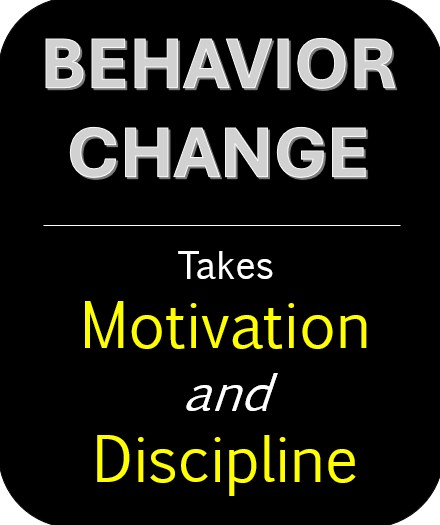
Here’s the reality though…
Behavior is the hardest one to change.
You Can Teach Skills. You Can Share Knowledge. But Behavior Is Different.
Teaching a skill? That’s usually straightforward. You break it down, demonstrate it, and let people practice.
Sharing knowledge? Same thing. You explain the “what,” the “why,” and the “how.”
But behavior—that’s where things get tricky.
Because behavior isn’t just about knowing what to do. It’s about actually doing it… consistently… especially when it’s inconvenient, repetitive, or when no one is watching.
I’ve seen it countless times. Someone goes through a training session, understands everything, performs well in the moment—and then slowly drifts back to old habits once they’re back in their day-to-day routine.
The real question is…
How do you get behavior to stick?
It Starts with Motivation (But That’s Not Enough)
Every behavior change starts with some level of motivation.
Maybe it’s:
- Wanting a reward
- Meeting expectations
- Pressure from a manager
- Or just a personal decision to improve
You see this shortly after training sessions all the time. People leave energized, focused, and ready to apply what they’ve learned.
And for a little while… they do.
But here’s the problem: motivation doesn’t last.
It fades. It shifts. It depends on how you feel that day.
If someone only performs when they feel motivated, consistency is going to be a struggle.
The Moment Most People Fall Off
There’s always a point where the excitement wears off.
You know the moment:
- The task starts to feel repetitive
- Results aren’t immediate
- Other priorities creep in
- Old habits feel easier
This is where most behavior change efforts fall apart.
Not because people don’t know what to do—but because they don’t feel like doing it anymore.
And that’s where the shift has to happen.
This Is Where Discipline Takes Over
If motivation gets you started, discipline is what keeps you going.
And I’m not talking about punishment or enforcement. I’m talking about personal discipline.
The kind that says: “I’m going to do this because I said I would… not because I feel like it.”
Discipline is what shows up on the days when motivation doesn’t.
It’s what turns:
- Occasional effort into consistent action
- Good intentions into real results
- Short-term change into long-term behavior
Why Repetition Is Everything
This is also why behavior change doesn’t happen in a single training session.
You can’t just explain something once and expect it to stick.
It has to be repeated. Practiced. Reinforced.
Over and over again.
At first, it feels intentional—maybe even a little forced. You have to think about it. It takes effort.
But over time, something shifts.
The behavior becomes more natural. More automatic.
That’s when you know it’s sticking.
Where Training Often Misses the Mark
Here’s something I’ve seen across organizations:
A lot of training focuses on delivering content… but not enough on sustaining behavior.
We ask:
- “Did they understand it?”
- “Can they demonstrate it?”
But we don’t always ask:
- “Will they keep doing it next week?”
- “What happens when motivation fades?”
If there’s no follow-up, no reinforcement, and no expectation of consistency, behavior change usually doesn’t last.
Making Behavior Change Actually Stick
If you really want to change behavior—whether it’s in your team or yourself—you have to plan for the drop in motivation.
Because it will happen.
So instead of relying on motivation, build around discipline:
- Create simple, repeatable processes
- Set clear expectations
- Reinforce consistently
- Track progress over time
And maybe most importantly… accept this truth:
You’re not always going to feel motivated.
 Prime Leadership & Development